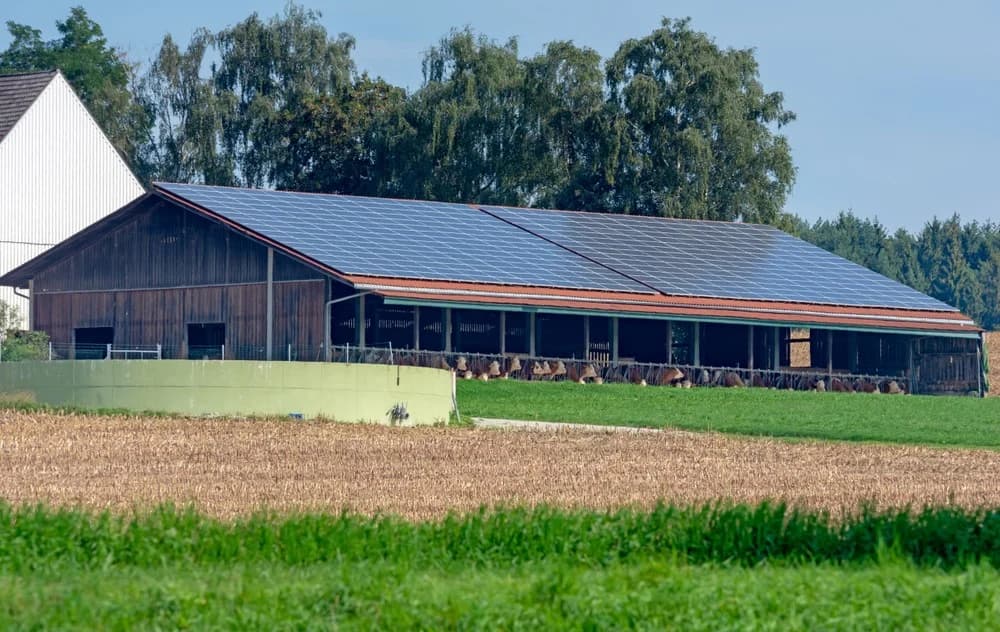
Power to fertiliser – turning your slurry storage into a battery!
Do you produce your own renewable energy and experience low payment for the energy you deliver to the grid? In this article you will see how you can turn the surplus energy into fertiliser, get more…
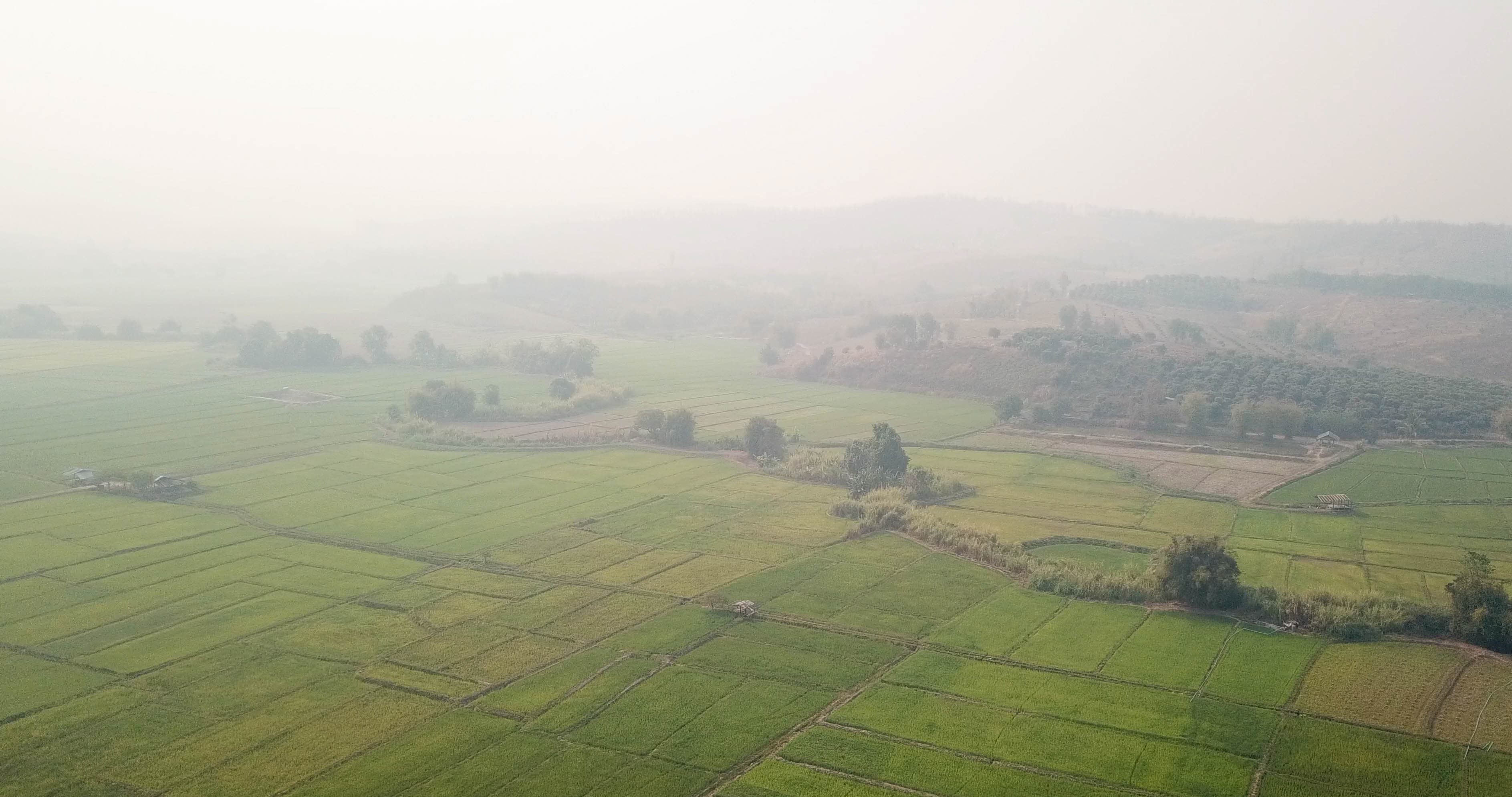
Ammonia – from protein to air pollution
As winter thaws into the beginnings of spring, so too will we be confronted with elevated levels of ammonia in the air, easily recognisable by its pungent, unpleasant distinct smell and increased…

Can the EU Turn the Tides on Increasing Ammonia Emissions?
Ammonia (NH ₃ ) emissions in the EU increased with 2.8 % from 2013 to 2017. This trend of increasing NH ₃ emissions calls for more action.
How to turn your slurry into smelling like dark chocolate
For the general public, the smell from slurry spreading is sometimes a negative aspect of living in the countryside. The negative effects vary from time to time and often depend on wind, moisture and…
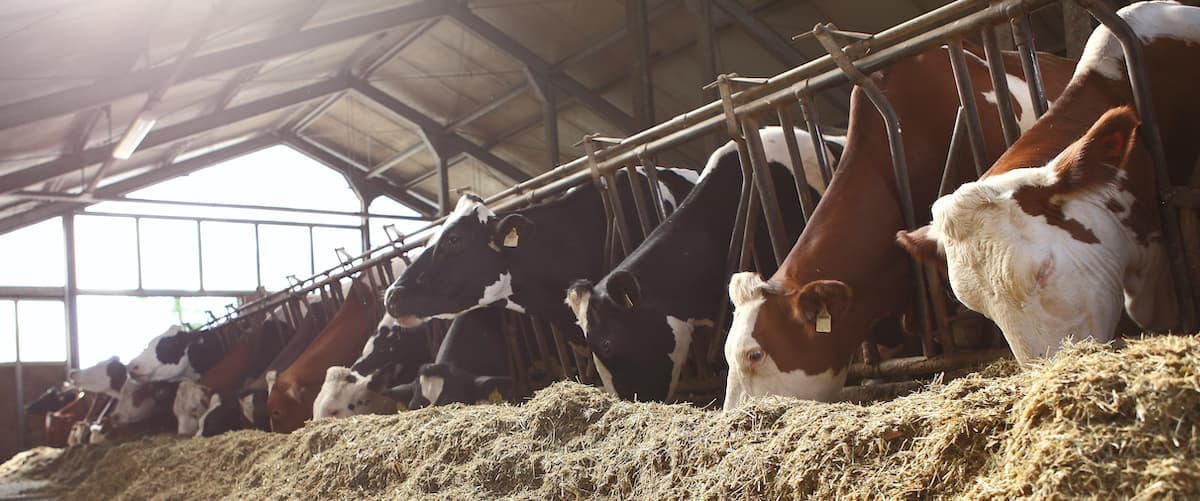
7 ways to reduce ammonia loss on your farm
Ammonia volatilisation in agriculture is basically «money going up in smoke», and one of the main pathways to losing nitrogen. The ammonia (NH3) consists of nitrogen, which is a key nutrient for…

N2 Applied’s innovation can contribute to reducing ammonia emissions on your farm
Anthropogenic ammonia emissions have increased steadily, in tandem with the growing agricultural output. The rising concern about the negative effects from ammonia emissions now calls for mitigatory…

Best Practices For Farmers to Reduce Nitrogen Pollution
Nitrogen Pollution occurs when a number of compounds, from ammonia to nitrous oxide react with air or water in the environment. As farmers have scaled up food production in response to population…
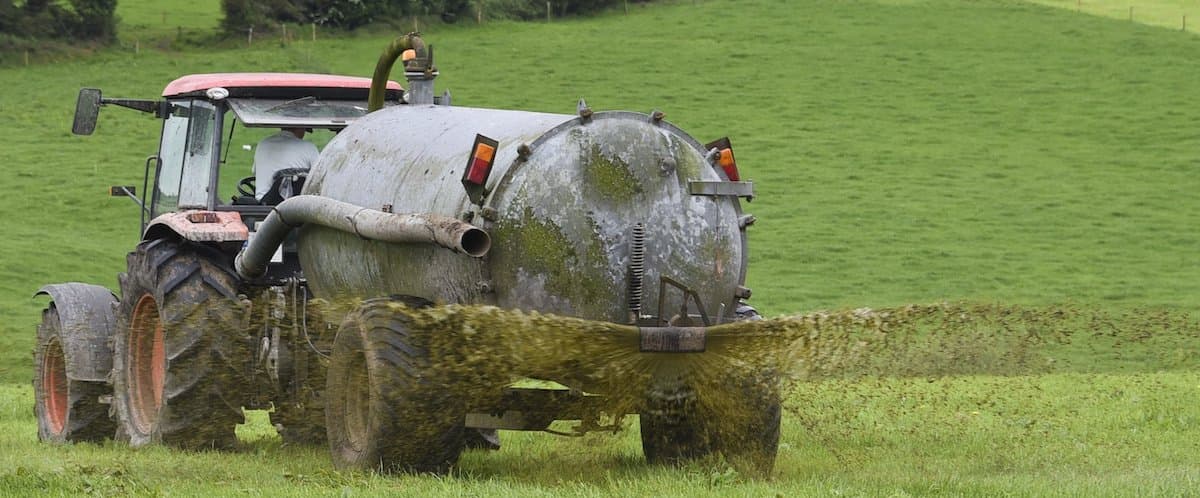
Slurry handling – a shortcut to emission reductions?
Livestock farmers are searching for the best solutions to reduce on-farm ammonia and greenhouse gas (GHG) emissions. On-farm slurry handling solutions can significantly contribute to improve the…